Recomienda este artículo a tus amigos:
The Archaeological Impact of the late-19th and early-20th century fossils diggings in Southern England Bernard O'Connor
Pedido desde almacén remoto
Nuestros clientes opinan:


The Archaeological Impact of the late-19th and early-20th century fossils diggings in Southern England
Bernard O'Connor
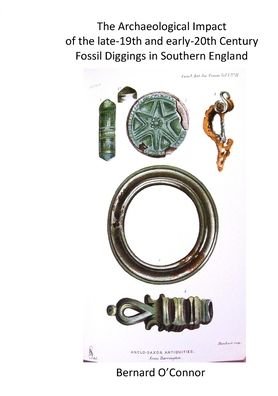
Following a cliff collapse in Felixstowe in 1842 that revealed of fossils deposit which Charles Darwin's Cambridge tutor thought resembled prehistoric droppings, a new industry developed to exploit them. Rev. John Henslow thought they were coprolites, fossilised dinosaur dung, similar to those discovered at Lyme Regis. As animal and human droppings were being used as a manure on the fields, chemical analysis of the Felixstowe fossils showed them to be rich in phosphate, a mineral essential for plant growth, Suffolk manure manufacturers bought these fossils, ground them to a powder and dissolved them in sulphuric acid to make superphosphate, the world's first artificial chemical manure. It was a lucrative business and demand for the Suffolk fossils increased. When a similar bed was found in Burwell was tested and found to have a higher phosphate content, the industry spread to Cambridgeshire, expanded into Hertfordshire, Bedfordshire, Buckinghamshire and Oxfordshire. Manure manufacturers across the country wanted coprolites. Open cast mining in pits down to 60 feet in places led to tens of thousands of acres being dug. During these operations, the 'coprolite' diggers uncovered numerous articles of archaeological interest, mostly grave sites but also hidden hoards. Some diggers 'pocketed' the finds and sold them on the market as there was a huge interest amongst Victorian archaeologists and antiquarians. Sometimes the landowner claimed the finds and kept them in their drawing room cabinet. Professors and students of archaeology were interested in the finds and published academic papers in their journals. Whilst some finds were donated to the country's new University museums, others were purchased by their curators. One digger made enough from selling his 'finds' to buy himself a pub. Bernard O'Connor, who has researched the geological, historical, economic and social impact of the fossil diggings, has compiled accounts of the archaeological discoveries across Southern England, illustrating them with images from contemporary journals.
| Medios de comunicación | Libros Paperback Book (Libro con tapa blanda y lomo encolado) |
| Publicado | 27 de enero de 2021 |
| ISBN13 | 9781716179297 |
| Editores | Lulu.com |
| Páginas | 80 |
| Dimensiones | 148 × 210 × 4 mm · 104 g |
| Lengua | Inglés |