
Recomienda este artículo a tus amigos:
Uncle Tom's Cabin (1852) Harriet Beecher Stowe
Nuestros clientes opinan:


También disponible como:
-
Paperback BookReissue edition(1982) $ 10,99
-
Paperback BookReissue edition(2008) $ 10,99
- Paperback Book (1970) $ 12,99
-
Paperback BookTrade Paperback edition(2002) $ 12,99
- Paperback Book (2015) $ 13,49
- Paperback Book (2024) $ 13,99
- Paperback Book (2015) $ 16,49
- Paperback Book (2015) $ 16,99
- Paperback Book (2013) $ 17,49
- Paperback Book (2023) $ 17,49
- Paperback Book (2023) $ 18,49
-
Hardcover BookDeluxe Hardbound edition(2023) $ 18,49
- Paperback Book (2018) $ 20,99
- Hardcover Book (1995) $ 21,49
- Paperback Book (2018) $ 21,99
- Paperback Book (2018) $ 21,99
- Paperback Book (2016) $ 22,49
- Paperback Book (2015) $ 23,99
- Paperback Book (2011) $ 24,49
- Paperback Book (2015) $ 24,49
- Paperback Book (2018) $ 25,49
- Paperback Book (2018) $ 25,49
- Paperback Book (2009) $ 25,49
- Paperback Book (2013) $ 25,49
- Paperback Book (2018) $ 25,99
Uncle Tom's Cabin (1852)
Harriet Beecher Stowe
Uncle Tom's Cabin; or, Life Among the Lowly, is an anti-slavery novel by American author Harriet Beecher Stowe. Published in 1852, the novel had a profound effect on attitudes toward African Americans and slavery in the U. S. and is said to have "helped lay the groundwork for the Civil War". Stowe, a Connecticut-born teacher at the Hartford Female Seminary and an active abolitionist, featured the character of Uncle Tom, a long-suffering black slave around whom the stories of other characters revolve. The sentimental novel depicts the reality of slavery while also asserting that Christian love can overcome something as destructive as enslavement of fellow human beings. Uncle Tom's Cabin was the best-selling novel of the 19th century and the second best-selling book of that century, following the Bible. It is credited with helping fuel the abolitionist cause in the 1850s. In the first year after it was published, 300,000 copies of the book were sold in the United States; one million copies in Great Britain.[10] In 1855, three years after it was published, it was called "the most popular novel of our day." The impact attributed to the book is great, reinforced by a story that when Abraham Lincoln met Stowe at the start of the Civil War, Lincoln declared, "So this is the little lady who started this great war." The quote is apocryphal; it did not appear in print until 1896, and it has been argued that "The long-term durability of Lincoln's greeting as an anecdote in literary studies and Stowe scholarship can perhaps be explained in part by the desire among many contemporary intellectuals ... to affirm the role of literature as an agent of social change."The book and the plays it inspired helped popularize a number of stereotypes about black people. These include the affectionate, dark-skinned "mammy"; the "pickaninny" stereotype of black children; and the "Uncle Tom", or dutiful, long-suffering servant faithful to his white master or mistress. In recent years, the negative associations with Uncle Tom's Cabin have, to an extent, overshadowed the historical impact of the book as a "vital antislavery tool."... The book opens with a Kentucky farmer named Arthur Shelby facing the loss of his farm because of debts. Even though he and his wife Emily Shelby believe that they have a benevolent relationship with their slaves, Shelby decides to raise the needed funds by selling two of them-Uncle Tom, a middle-aged man with a wife and children, and Harry, the son of Emily Shelby's maid Eliza-to a slave trader. Emily Shelby is averse to this idea because she had promised her maid that her child would never be sold; Emily's son, George Shelby, hates to see Tom go because he sees the man as his friend and mentor. When Eliza overhears Mr. and Mrs. Shelby discussing plans to sell Tom and Harry, Eliza determines to run away with her son. The novel states that Eliza made this decision because she fears losing her only surviving child (she had already miscarried two children). Eliza departs that night, leaving a note of apology to her mistress. Tom is sold and placed on a riverboat which sets sail down the Mississippi River. While on board, Tom meets and befriends a young white girl named Eva. Eva's father Augustine St. Clare buys Tom from the slave trader and takes him with the family to their home in New Orleans. Tom and Eva begin to relate to one another because of the deep Christian faith they both share. Harriet Elisabeth Beecher Stowe ( June 14, 1811 - July 1, 1896) was an American abolitionist and author. She came from the Beecher family, a famous religious family, and is best known for her novel Uncle Tom's Cabin (1852), which depicts the harsh conditions for enslaved African Americans. The book reached millions as a novel and play, and became influential in the United States and Great Britain, energizing anti-slavery forces in the American North, while provoking widespread anger in the South
| Medios de comunicación | Libros Paperback Book (Libro con tapa blanda y lomo encolado) |
| Publicado | 12 de diciembre de 2019 |
| ISBN13 | 9781674810676 |
| Páginas | 296 |
| Dimensiones | 203 × 254 × 16 mm · 589 g |
| Lengua | Inglés |
Mas por Harriet Beecher Stowe
Mostrar todo
![Cover for Harriet Beecher Stowe · Classic Comics Uncle Toms Cabin (Paperback Book) [Illustrated edition] (2025)](https://imusic.b-cdn.net/images/item/original/553/9781911238553.jpg?harriet-beecher-stowe-2025-classic-comics-uncle-toms-cabin-paperback-book&class=scaled&v=1755342503)


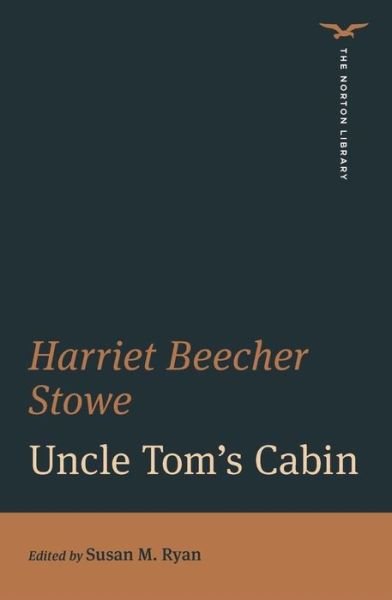


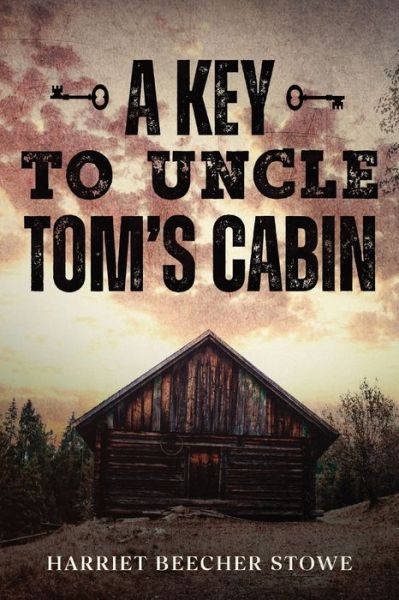

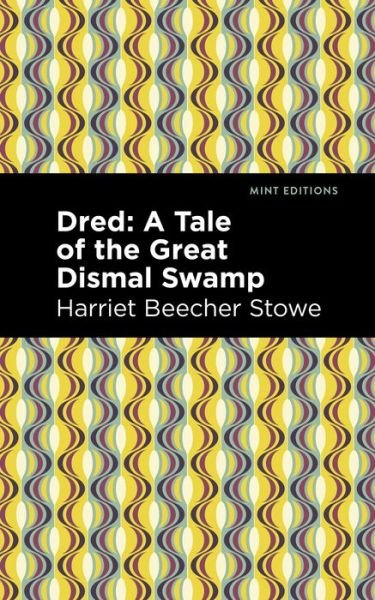
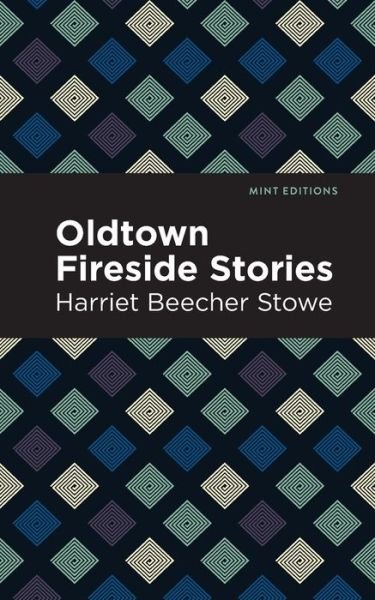
Ver todo de Harriet Beecher Stowe ( Ej. Paperback Book , Hardcover Book , Book , CD y Sewn Spine Book )