Recomienda este artículo a tus amigos:
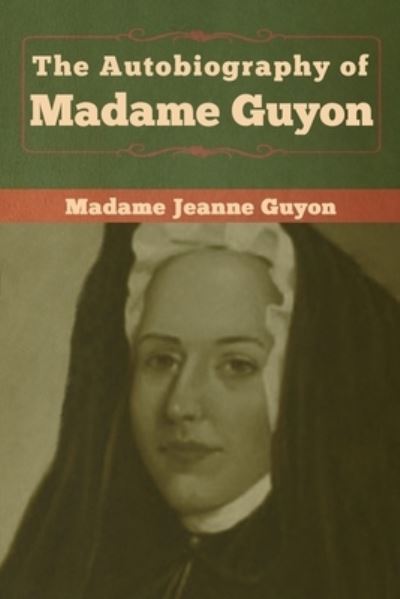
The Autobiography of Madame Guyon Madame Jeanne Guyon
Pedido desde almacén remoto
Nuestros clientes opinan:


También disponible como:
The Autobiography of Madame Guyon
Madame Jeanne Guyon
Jeanne-Marie Bouvier de la Motte-Guyon (commonly known as Madame Guyon, 13 April 1648 - 9 June 1717) was a French mystic and was accused of advocating Quietism, although she never called herself a Quietist (Intellectual stillness and interior passivity). Quietism was considered heretical by the Roman Catholic Church, and she was imprisoned from 1695 to 1703 after publishing the book A Short and Very Easy Method of Prayer.
Guyon believed that one should pray at all times, and that one should devote all one's time to God. "Prayer is the key of perfection and of sovereign happiness; it is the efficacious means of getting rid of all vices and of acquiring all virtues; for the way to become perfect is to live in the presence of God. He tells us this Himself: 'walk before Me and be blameless' Genesis 17:1. Prayer alone can bring you into His presence, and keep you there continually." As she wrote in one of her poems: "There was a period when I chose a time and place for prayer. ... But now I seek that constant prayer, in inward stillness known ..."
In the Christian dispute regarding grace and works, Guyon defended the belief that salvation is the result of grace rather than works. Like St. Augustine, St. Thomas Aquinas, Calvin, and Martin Luther, she thought that a person's deliverance can only come from God as an outside source, never from within the person himself or herself. As a result of His own free will, God bestows his favour as a gift. This predestination was opposed by Pelagians, who considered it to be irrational in that God would favour a wicked sinner over a good person. However, according to the atheist Schopenhauer, describing this controversy, "if it were works, springing from motives and deliberate intention, that led to the blissful state, then, however we may turn it, virtue would always be only a prudent, methodical, far-seeing egoism. ... Works ...can never justify, because they are always an action from motives." In her autobiography, for example, Madame Guyon criticized self-righteous people who try to gain heaven through their works. She praised lowly sinners who merely submitted themselves to God's will. Of the so-called righteous, she wrote: "the righteous person, supported by the great number of works of righteousness he presumes to have done, seems to hold his salvation in his own hands, and regards heaven as the recompense due to his merits.... His Saviour is, for him, almost useless. "These 'righteous persons' expect God to save them as a reward for their good works." In contrast to the self-sufficient, "righteous" egoists, the sinners who have selflessly submitted to God "are carried swiftly by the wings of love and confidence into the arms of their Saviour, who gives them gratuitously what He has infinitely merited for them". God's "bounties are effects of His will, and not the fruits of our merits." (wikipedia.org)
| Medios de comunicación | Libros Paperback Book (Libro con tapa blanda y lomo encolado) |
| Publicado | 7 de enero de 2020 |
| ISBN13 | 9781618959393 |
| Editores | Bibliotech Press |
| Páginas | 180 |
| Dimensiones | 152 × 229 × 10 mm · 272 g |
| Lengua | Inglés |