
Recomienda este artículo a tus amigos:
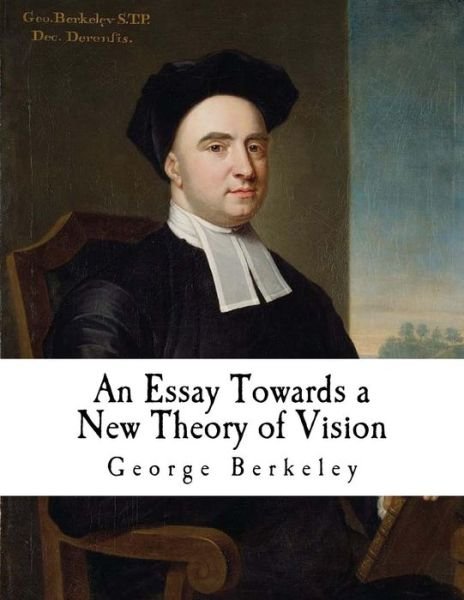
An Essay Towards a New Theory of Vision George Berkeley
Nuestros clientes opinan:


También disponible como:
An Essay Towards a New Theory of Vision
George Berkeley
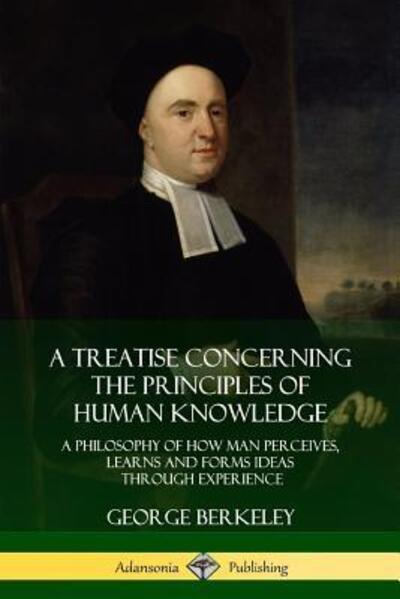
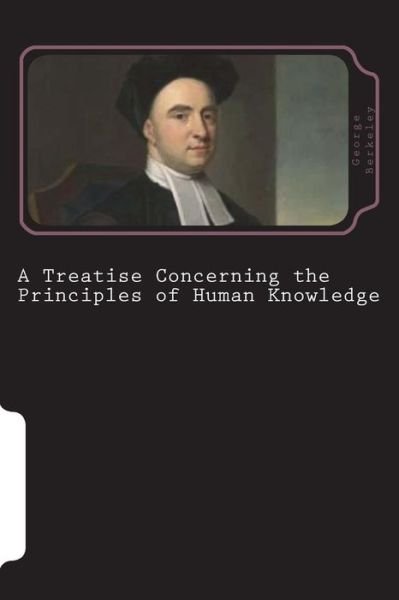
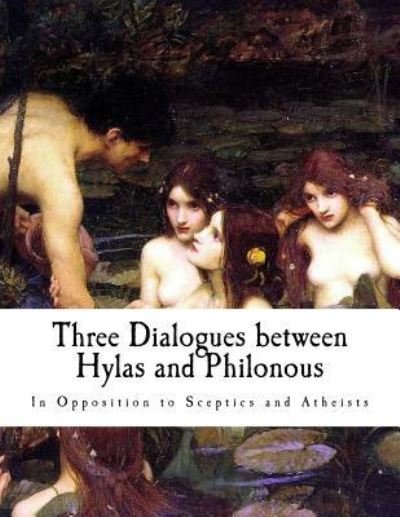
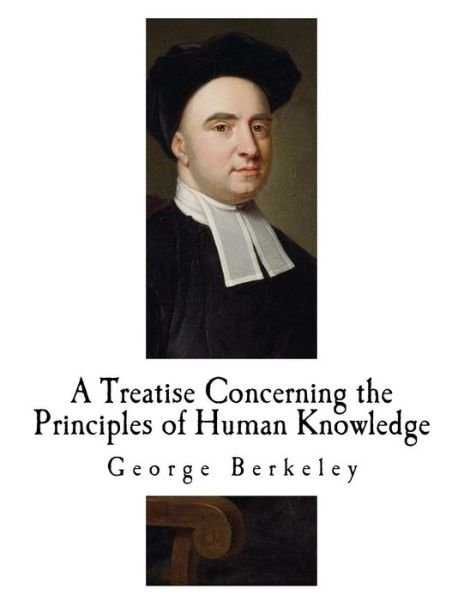
An Essay Towards a New Theory of Vision by George Berkeley George Berkeley, 12 March 1685 - 14 January 1753, known as Bishop Berkeley, was an Irish philosopher whose primary achievement was the advancement of a theory he called "immaterialism" (later referred to as "subjective idealism" by others). This theory denies the existence of material substance and instead contends that familiar objects like tables and chairs are only ideas in the minds of perceivers and, as a result, cannot exist without being perceived. Berkeley is also known for his critique of abstraction, an important premise in his argument for immaterialism. Berkeley College, one of Yale University's 14 residential colleges, is named after George Berkeley. In 1709, Berkeley published his first major work, An Essay towards a New Theory of Vision, in which he discussed the limitations of human vision and advanced the theory that the proper objects of sight are not material objects, but light and colour. This foreshadowed his chief philosophical work, A Treatise Concerning the Principles of Human Knowledge, in 1710, which, after its poor reception, he rewrote in dialogue form and published under the title Three Dialogues between Hylas and Philonous in 1713.
| Medios de comunicación | Libros Paperback Book (Libro con tapa blanda y lomo encolado) |
| Publicado | 17 de marzo de 2017 |
| ISBN13 | 9781544752150 |
| Editores | Createspace Independent Publishing Platf |
| Páginas | 70 |
| Dimensiones | 178 × 254 × 4 mm · 136 g |
| Lengua | Inglés |
Mas por George Berkeley
Mostrar todo




Más de esta serie
Ver todo de George Berkeley ( Ej. Paperback Book , Hardcover Book , Book y CD )