Recomienda este artículo a tus amigos:
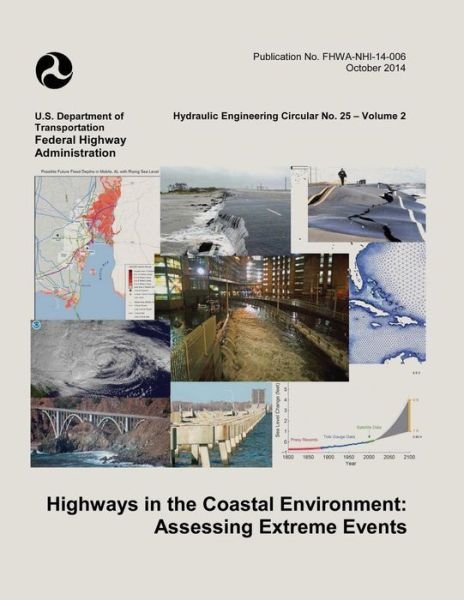
Highways in the Coastal Environment: Assessing Extreme Events U S Department of Transportation
Pedido desde almacén remoto
Nuestros clientes opinan:


Highways in the Coastal Environment: Assessing Extreme Events
U S Department of Transportation
Publisher Marketing: The US transportation system is vulnerable to coastal extreme event storms today and this vulnerability will increase with climate change. This vulnerability will increase as sea levels rise. Many projections of future sea levels suggest accelerated rise rates resulting from global climate change. Higher sea levels will combine with future extreme events to increase the vulnerability of coastal highways, bridges, and other transportation infrastructure. Thus, damage from coastal hazards such as hurricanes, high waves, tsunamis, and extreme tides will increase in cost, frequency, and magnitude. It is estimated that over 60,000 roadway miles in the US are exposed to coastal storm surge. The degree to which that exposure, and resulting vulnerability, will increase as a result of climate change is currently unknown. The transportation authorization act, MAP-21 - the Moving Ahead for Progress in the 21st Century, lists "protection against extreme events" as an eligible project purpose for federal funding of construction, replacement, rehabilitation, or preservation of bridges. The FHWA guidance memo entitled "Eligibility of Activities to Adapt to Climate Change and Extreme Weather Events under the Federal-Aid and Federal Lands Highway Program" provides more specific information on the use of federal highway program funds in the planning, design and construction of highways to adapt to extreme events considering climate change. This memo stressed that "consideration of extreme events, their impacts on highways and transportation systems, and development of adaptation strategies should be grounded in the best available scientific approaches." Adaptation activities need to be based on the current understanding of weather patterns affecting the location of a project or region, as well as projected changes in climate. Thus, there is a need for technical guidance in assessing the exposure and vulnerability of highway infrastructure in the coastal environment that will be impacted by extreme events including considerations of the effects of climate change. This publication is intended to be technical guidance grounded in the "best available scientific approaches" to vulnerability and risk assessment and climate change. The purpose of this manual is to provide technical guidance and methods for assessing the vulnerability of coastal transportation facilities to extreme events and climate change. The focus is on quantifying exposure to sea level rise, storm surge, and wave action. It is anticipated that there will be multiple uses for this information, including risk and vulnerability assessments, planning activities, and design procedure guidance.
| Medios de comunicación | Libros Paperback Book (Libro con tapa blanda y lomo encolado) |
| Publicado | 23 de febrero de 2015 |
| ISBN13 | 9781508593973 |
| Editores | Createspace |
| Páginas | 148 |
| Dimensiones | 216 × 279 × 8 mm · 358 g |