
Recomienda este artículo a tus amigos:
Egyptian Mythology - Ancient Gods and Goddesses of the World John Davidson
Pedido desde almacén remoto
Nuestros clientes opinan:


Egyptian Mythology - Ancient Gods and Goddesses of the World
John Davidson
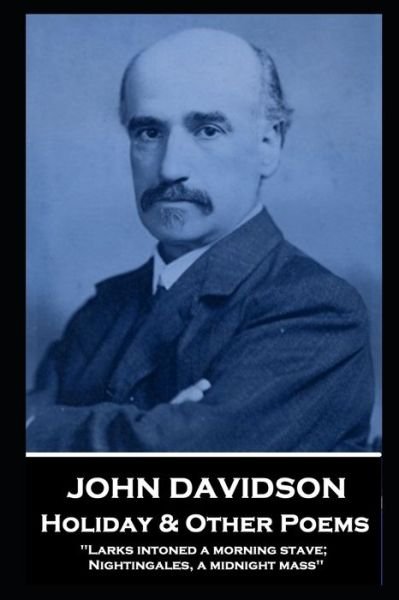
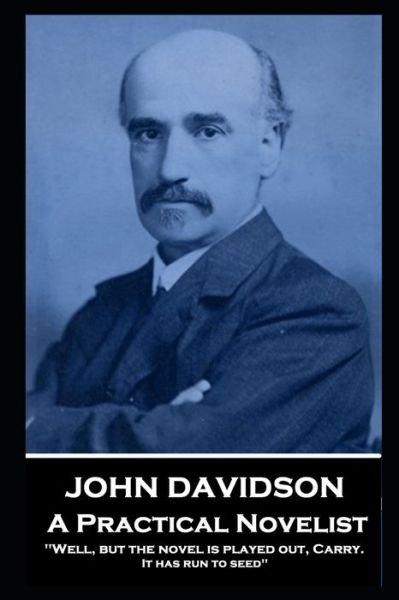
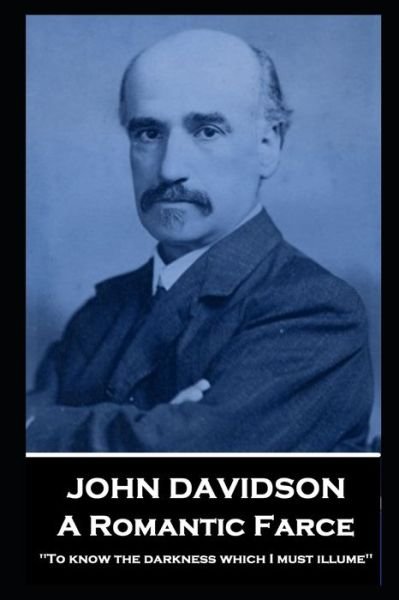
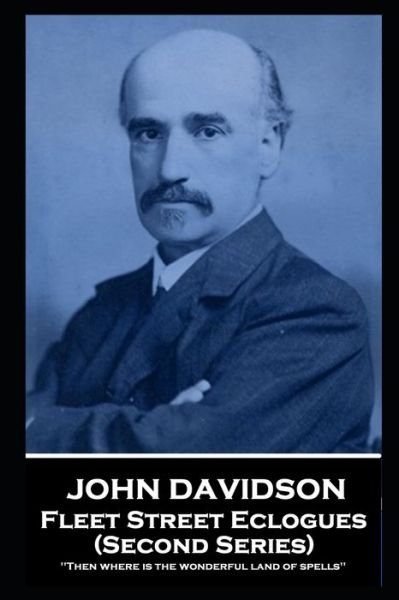
Publisher Marketing: Egyptian Mythology - Ancient Gods and Goddesses of the World Table of Contents Introduction Ancient Egyptian Mythology: An Overview The Creation of the Universe and the Earth Major Gods and Goddesses Nun and Neith The Benben Stone, Atum, and the Bennu (Phoenix) Ptah Apep and Sobek The first family of deities: Shu, Tefnut, Geb, and Nut The Children of Geb and Nut: Osiris, Her-Ur (Horus the Elder), Set, Isis, and Nephtys Heru-Ur (Horus the Elder) The Eye of Horus and Ra The Vatican Obelisk The Author Publisher Introduction Ancient Egypt is one of the most prominent civilizations in history. The ancient pyramids alone have captivated scientists, historians, and globetrotters for centuries. This country developed one of the most advanced civilizations that have passed on a rich trove of marvelous works and invaluable knowledge to succeeding generations. Exceedingly bountiful indeed, that to this day, much of the pyramids remain subject for further scientific exploration. For the inquisitive mind, it is worth taking note that Egypt also appears in the Bible. Perhaps the most well-known passages are those within the stories of Jacob and Moses. However, the tie that binds the two nations and major world religions, reaches as far back as to Abraham. The Islam Prophet Ishmael was the first-born of Abraham, to Hagar. Sarah, Abraham's first wife, could not bear children and offered her Egyptian servant to him. Contributor Bio: Davidson, John John Davidson was born in Barrhead in Renfrewshire in 1857. He spent his childhood years in Greenock, and after working as a pupil-teacher and briefly attending Edinburgh University, taught in schools in Glasgow and Perth. In 1989 he moved to London where he made his living as a journalist and critic. Several dramas had been published while he was still in Scotland, but in the 1890s he turned to poetry, and published several collections which were very popular: In a Music-Hall (1891) and Ballads and Songs (1894) amongst them. These were poems which chronicled urban working class life, and his sense of outrage at the poverty of the ordinary man, as expressed by the much-anthologized 'Thirty Bob a Week'. At the beginning of the new century he moved away from the lyric and began writing in blank verse which incorporated much scientific language; this series of Testaments were not as successful as his earlier ballad style, though Hugh MacDiarmid was to pay tribute to Davidson's attempts to combine poetry with scientific ideas. Despite the early popularity of the poetry, financial difficulties constantly plagued Davidson; he had had no choice but to continue with the journalism he disliked in order to support his family and other dependents. Sadly the money worries, combined with ill-health and depression, drove him to committing suicide in 1909.
| Medios de comunicación | Libros Paperback Book (Libro con tapa blanda y lomo encolado) |
| Publicado | 18 de diciembre de 2014 |
| ISBN13 | 9781505613995 |
| Editores | Createspace |
| Género | Chronological Period > Ancient (To 499 A.d.) |
| Páginas | 44 |
| Dimensiones | 152 × 229 × 2 mm · 72 g |
Mas por John Davidson
Mostrar todo

![Cover for John Davidson · Pathway to Transformation: The Baha'i Journey (Paperback Book) [2nd edition] (2020)](https://imusic.b-cdn.net/images/item/original/272/9780909991272.jpg?john-davidson-2020-pathway-to-transformation-the-baha-i-journey-paperback-book&class=scaled&v=1638542771)





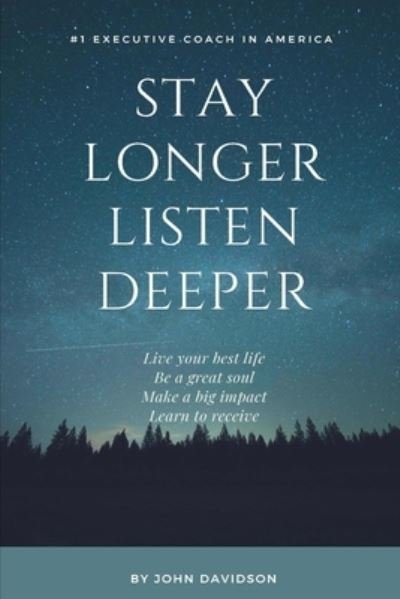
Ver todo de John Davidson ( Ej. Paperback Book , Hardcover Book , Book y CD )