
Recomienda este artículo a tus amigos:
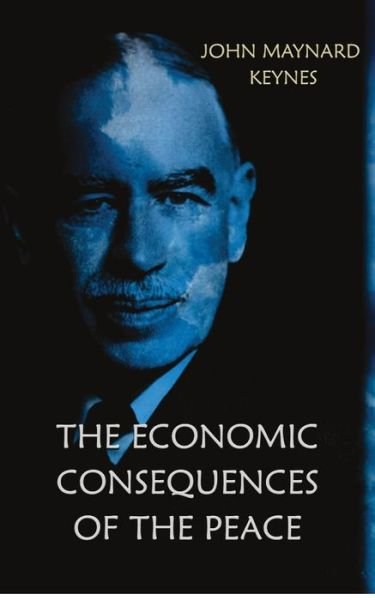
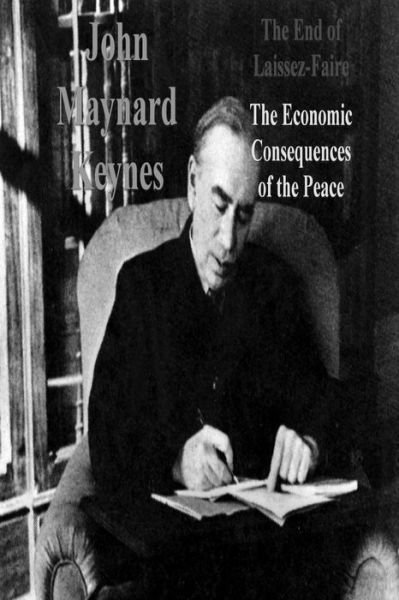
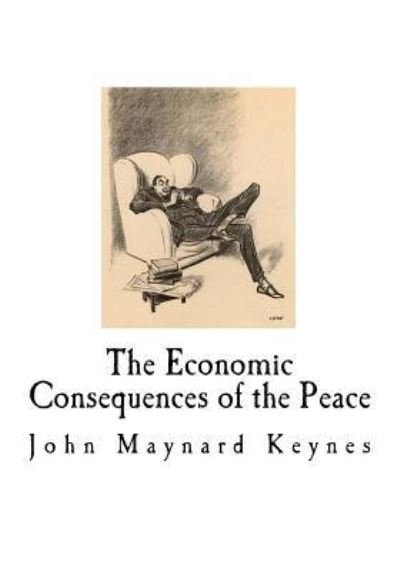
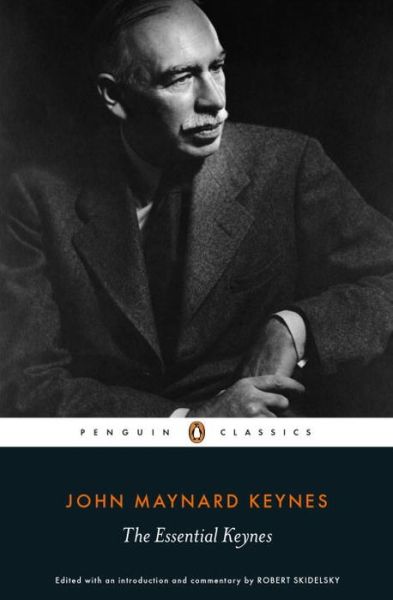
The Economic Consequences of the Peace - Classic, 20th-Century, Penguin John Maynard Keynes Reprint edition
Pedido desde almacén remoto
Nuestros clientes opinan:


The Economic Consequences of the Peace - Classic, 20th-Century, Penguin
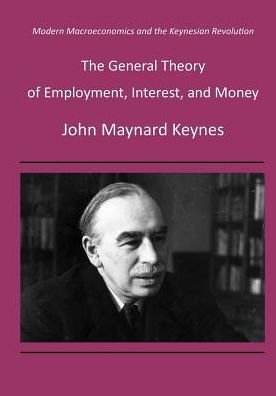
John Maynard Keynes
John Maynard Keynes, at the time a rising young economist, abruptly resigned his position as adviser to the British delegation negotiating the peace treaty ending World War I. Frustrated and angered by the Allies' focus on German war guilt, Keynes predicted that the vindictive reparations policy, which locked Germany into long-term payments, would not only stifle the German economy for another generation but leave Europe in ruins.
Published in 1919, Keynes's The Economic Consequences of the Peace aroused heated debates throughout Europe; his remarkably prescient conclusions were frequently cited by German leaders during the decades between the wars. Keynes's well-reasoned yet impassioned arguments, peppered with biting portraits of the statesen involved in the peace treaty?including Llyod George, Georges Clemenceau, and Woodrow Wilson?brought him immediate fame.
"The most important economic document relating to World War I and its aftermath" ?John Kenneth Galbraith
336 pages
| Medios de comunicación | Libros Paperback Book (Libro con tapa blanda y lomo encolado) |
| Publicado | 1995 |
| ISBN13 | 9780140188059 |
| Editores | Penguin Publishing Group |
| Páginas | 336 |
| Dimensiones | 196 × 129 × 26 mm · 326 g |
| Lengua | Inglés |
| Colaborador | Robert Lekachman |






![Cover for John Maynard Keynes · The Economic Consequences of the Peace: With a new introduction by Michael Cox (Paperback Book) [2019 edition] (2019)](https://imusic.b-cdn.net/images/item/original/580/9783030047580.jpg?john-maynard-keynes-2019-the-economic-consequences-of-the-peace-with-a-new-introduction-by-michael-cox-paperback-book&class=scaled&v=1558108845)


![Cover for John Maynard Keynes · The General Theory of Employment, Interest, and Money (Paperback Book) [2018 edition] (2018)](https://imusic.b-cdn.net/images/item/original/435/9783319703435.jpg?john-maynard-keynes-2018-the-general-theory-of-employment-interest-and-money-paperback-book&class=scaled&v=1532585553)


![Cover for Osamu Dazai · No Longer Human: (Penguin Classics Deluxe Edition) - Penguin Classics Deluxe Edition (Paperback Book) [Penguin Classics Deluxe edition] (2027)](https://imusic.b-cdn.net/images/item/original/504/9780143137504.jpg?osamu-dazai-2027-no-longer-human-penguin-classics-deluxe-edition-penguin-classics-deluxe-edition-paperback-book&class=scaled&v=1683751106)


