
Recomienda este artículo a tus amigos:
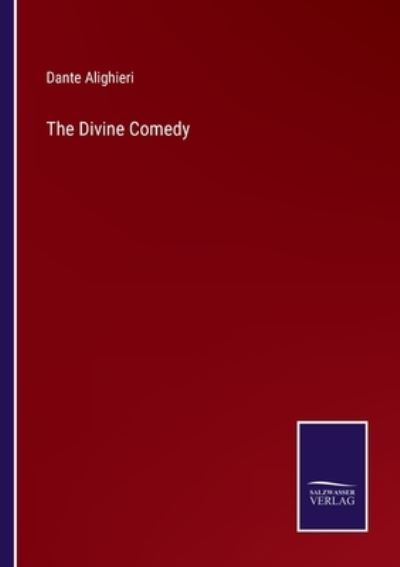
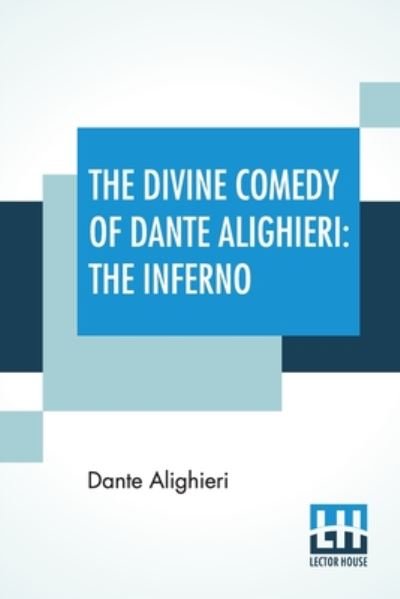
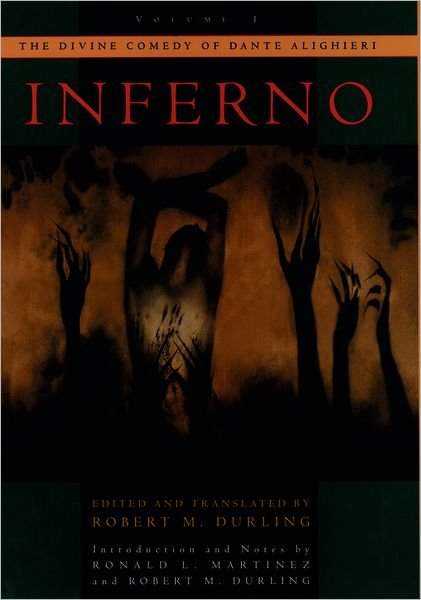
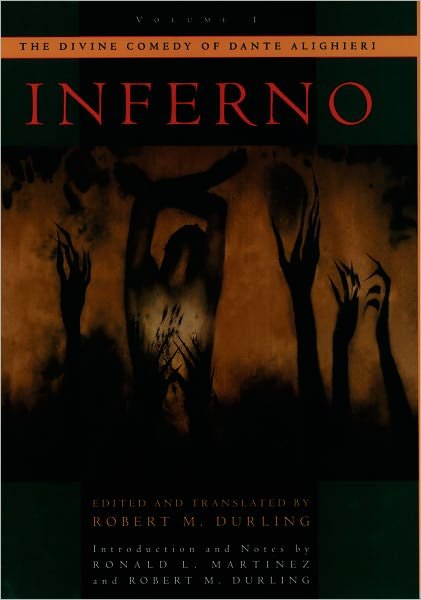
The Divine Comedy of Dante Alighieri
Nuestros clientes opinan:


También disponible como:
The Divine Comedy of Dante Alighieri
Dante Alighieri
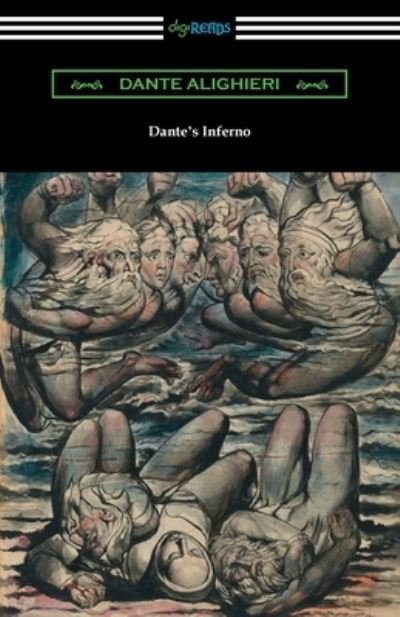
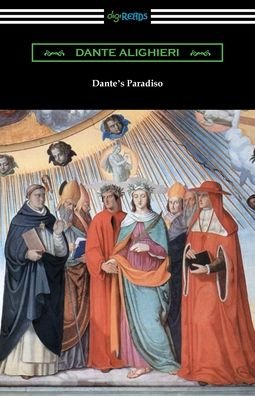
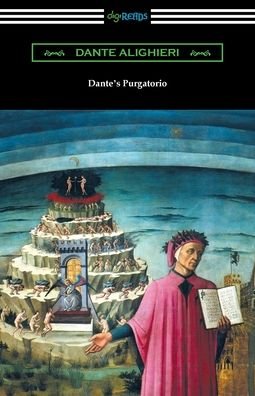
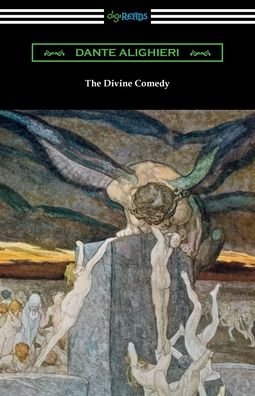
Publisher Marketing: The Divine Comedy of Dante Alighieri. Dantes Inferno. the preeminent work of Italian literature. By Dante Alighieri. A Translation by James Romanes Sibbald. The Divine Comedy is an epic poem written by Dante Alighieri between c. 1308 and his death in 1321. It is widely considered the preeminent work of Italian literature, and is seen as one of the greatest works of world literature. The poem's imaginative and allegorical vision of the afterlife is a culmination of the medieval world-view as it had developed in the Western Church. It helped establish the Tuscan dialect, in which it is written, as the standardized Italian language. It is divided into three parts: Inferno, Purgatorio, and Paradiso. On the surface, the poem describes Dante's travels through Hell, Purgatory, and Heaven; but at a deeper level, it represents allegorically the soul's journey towards God. At this deeper level, Dante draws on medieval Christian theology and philosophy, especially Thomistic philosophy and the Summa Theologica of Thomas Aquinas. Consequently, the Divine Comedy has been called "the Summa in verse." The work was originally simply titled Comedia and was later christened Divina by Giovanni Boccaccio. The first printed edition to add the word divine to the title was that of the Venetian humanist Lodovico Dolce, published in 1555 by Gabriele Giolito de' Ferrari. Contributor Bio: Alighieri, Dante Dante Alighieri was an Italian poet of the Middle Ages, best known for his masterpiece, the epic Divine Comedy, considered to be one of the greatest poetic works in literature. A native of Florence, Dante was deeply involved in his city-state's politics and had political, as well as poetic, ambitions. He was exiled from Florence in 1301 for backing the losing faction in a dispute over the pope's influence, and never saw Florence again. While in exile, Dante wrote the Comedy, the tale of the poet's pilgrimage through Hell, Purgatory, and Paradise. To reach the largest possible audience for the work, Dante devised a version of Italian based largely on his own Tuscan dialect and incorporating Latin and parts of other regional dialects. In so doing, he demonstrated the vernacular's fitness for artistic expression, and earned the title "Father of the Italian language."Dante died in Ravenna in 1321, and his body remains there despite the fact that Florence erected a tomb for him in 1829.
| Medios de comunicación | Libros Paperback Book (Libro con tapa blanda y lomo encolado) |
| Publicado | 7 de septiembre de 2013 |
| ISBN13 | 9781492360995 |
| Editores | Createspace |
| Género | Libros de texto Religion Religious Orientation > Christian |
| Páginas | 208 |
| Dimensiones | 203 × 254 × 11 mm · 420 g |
Mas por Dante Alighieri
Mostrar todo







![Cover for Dante Alighieri · La Divine Comedie De Dante Alighieri, Traduite en Vers Francais (Ed.1829) (French Edition) (Paperback Book) [French edition] (2022)](https://imusic.b-cdn.net/images/item/original/715/9782012680715.jpg?dante-alighieri-2022-la-divine-comedie-de-dante-alighieri-traduite-en-vers-francais-ed-1829-french-edition-paperback-book&class=scaled&v=1409704643)

![Cover for Dante Alighieri · Dante: Convivio: A Dual-Language Critical Edition (Paperback Book) [New edition] (2022)](https://imusic.b-cdn.net/images/item/original/021/9781316505021.jpg?dante-alighieri-2022-dante-convivio-a-dual-language-critical-edition-paperback-book&class=scaled&v=1636474733)


Más de esta serie

Ver todo de Dante Alighieri ( Ej. Paperback Book , Hardcover Book , Book , CD y CD-ROM )